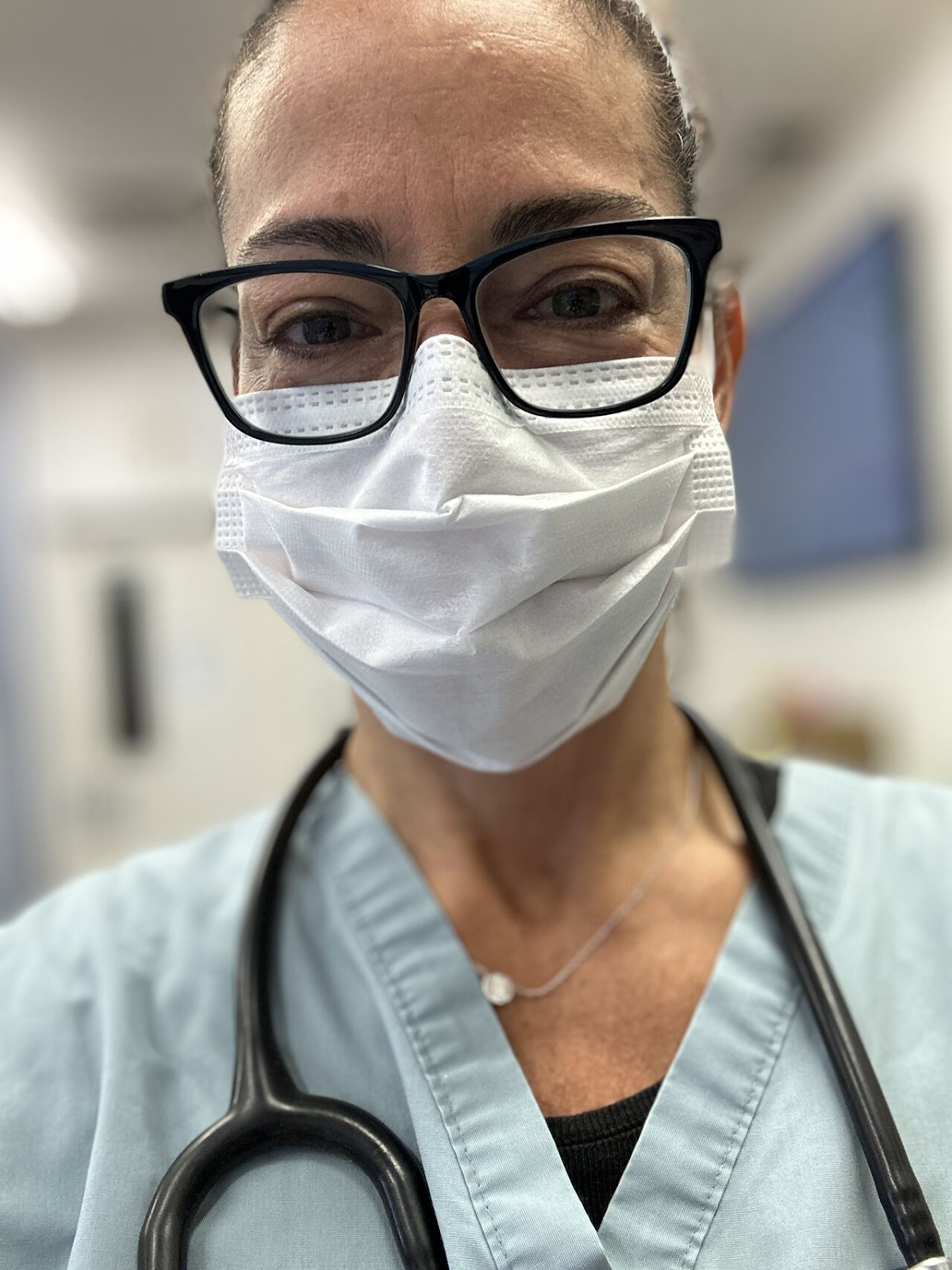
She came into the Emergency Department late one evening.
My patient was an older woman in her seventies.
Her complaint was chest pain.
A nurse was at the bedside, attaching her to the monitor.
I started with the usual history.
When did it start?
What makes it better or worse?
Have you felt this before?
She answered politely and even smiled when I told her her heart looked fine.
But something about that smile didn’t reach her eyes.
I remember sitting with her a little longer, after the tests were done and the room had gone still. I asked, gently, “What’s been happening in your life?”
That’s when the tears came.
Her husband had died a few months earlier. Her children lived overseas. The house felt unbearably quiet. What she was feeling wasn’t cardiac pain.
It was grief.
Medicine is extraordinary at treating symptoms. We can stop a bleed or stabilize a body. But what I learned that night was how limited we are if we stop there. Healing isn’t just physical. It’s emotional too.
That woman just needed to be seen.
We do this as leaders by treating the symptoms and missing the cause. We skate on the surface and avoid what’s real, because what sits underneath at the core of humanity is hard to accept. And just like my patient, when real human connection is missing, it becomes easier to deflect from the truth.
We point anywhere but there.
Medicine is excellent at boxes to tick and tests to order. I can send you for the scope, talk to you about your diet, and give you a sleeping pill.
But if I don’t stop and ask about your deep underlying sadness, we are never going to get anywhere.
True healing happens in the space of connection, and the Emergency Department, as it is built, is not geared for that.
As I reflect on that moment, I can’t help but draw parallels with the clients I serve.
Whether it’s in a hospital or a boardroom, people rarely show you their full truth at first. They present with symptoms like burnout, conflict or exhaustion.
Underneath all of it is something deeper.
A story, a fear, a loss or an unmet need.
What we name as “performance” or “stress” often has roots in something far more tender.
The work I’ve come to learn isn’t about fixing the surface problem.
It’s about creating space for what sits beneath it to be seen. That takes patience and courage.
It demands a willingness to sit with someone’s truth without rushing to tidy it up.
It’s uncomfortable at first. We’re trained to fix, to respond, to move quickly toward resolution. But true connection doesn’t happen at that speed. It happens when we stay long enough for the real story to emerge.
That’s where healing begins.
My job is to sit with you long enough to find it for yourself.
Not to rush in and fix.
But to hold the pause.
To ask good questions.
To make room for what is true to show up.
Presence changes the conversation. It changed the way I practiced medicine, and it is the reason I coach the way I do.
If you’re reading this and something in you recognizes that pattern of the moving goalpost, or the careful lists or the tidy explanations that are not the thing, then I have a question for you.
Where in your life might you be treating symptoms instead of root causes?
Hit reply and let me know. I want to hear from you.
Erica
Executive & Leadership Coach
Curious about my work?
Learn more about my coaching here
Or start with a conversation → book a call here




Responses